Stencil Cutting in the Maldives | Perfect Digital Solutions
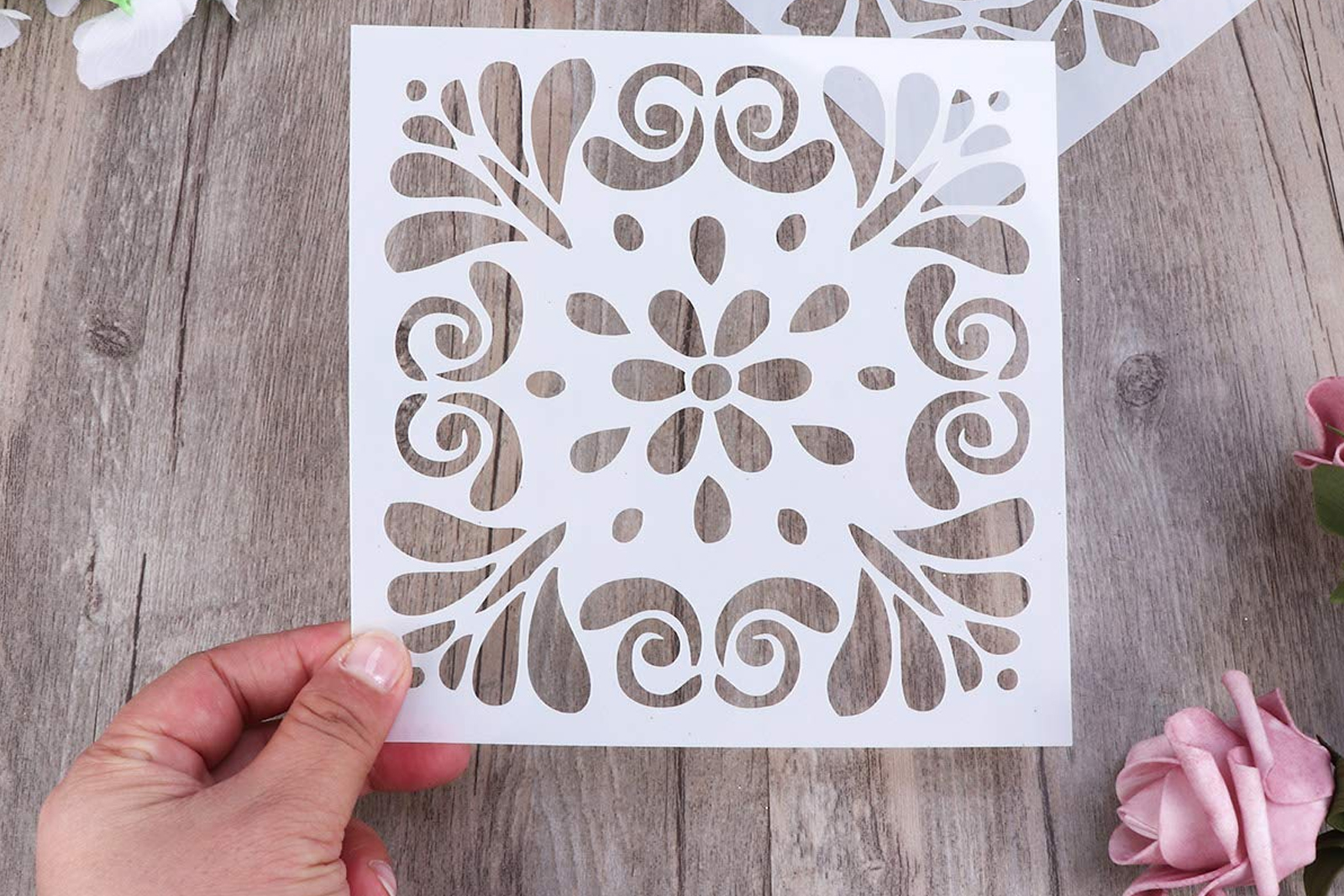
A precisely cut stencil turns a spray can, a brush, or a roller into a repeatable marking tool – the same logo, the same text, the same safety symbol, reproduced identically on any surface, as many times as you need. We cut stencils from mylar, cardstock, and vinyl with 0.5mm detail tolerance using CNC precision.
Introduction
Spray painting a company name on the side of a shipping container without a stencil produces a result that tells you exactly how it was made ”” and not in a positive way. Uneven letter heights, inconsistent spacing, paint bleed beneath a freehand mask, edges that waver where the hand hesitated. The stencil exists to remove the human variable from repetitive marking tasks, ensuring that the hundredth application looks as clean and consistent as the first.
Stencil cutting has been a core industrial and commercial process for longer than most modern print technologies have existed. It pre-dates digital printing by generations. What has changed is the precision and speed with which a stencil can be produced. CNC cutter technology now turns a vector graphic file into a precisely cut stencil in a fraction of the time a skilled hand cutter would require, and to a tolerance that manual cutting cannot consistently match. The result is a reusable marking tool that can be in use the same day it is ordered, without tooling costs or minimum runs.
At Perfect Digital Solutions, we cut stencils from three materials ”” 125-micron PET film (mylar), cardstock, and self-adhesive vinyl ”” each suited to different applications and use-frequency requirements. Whether you need a single-use cardstock stencil for a decorative mural, a durable mylar stencil for marking fifty equipment items on a resort island, or a precision vinyl stencil for a garment spray-paint run, we can produce it accurately and quickly.
What Is Stencil Cutting?
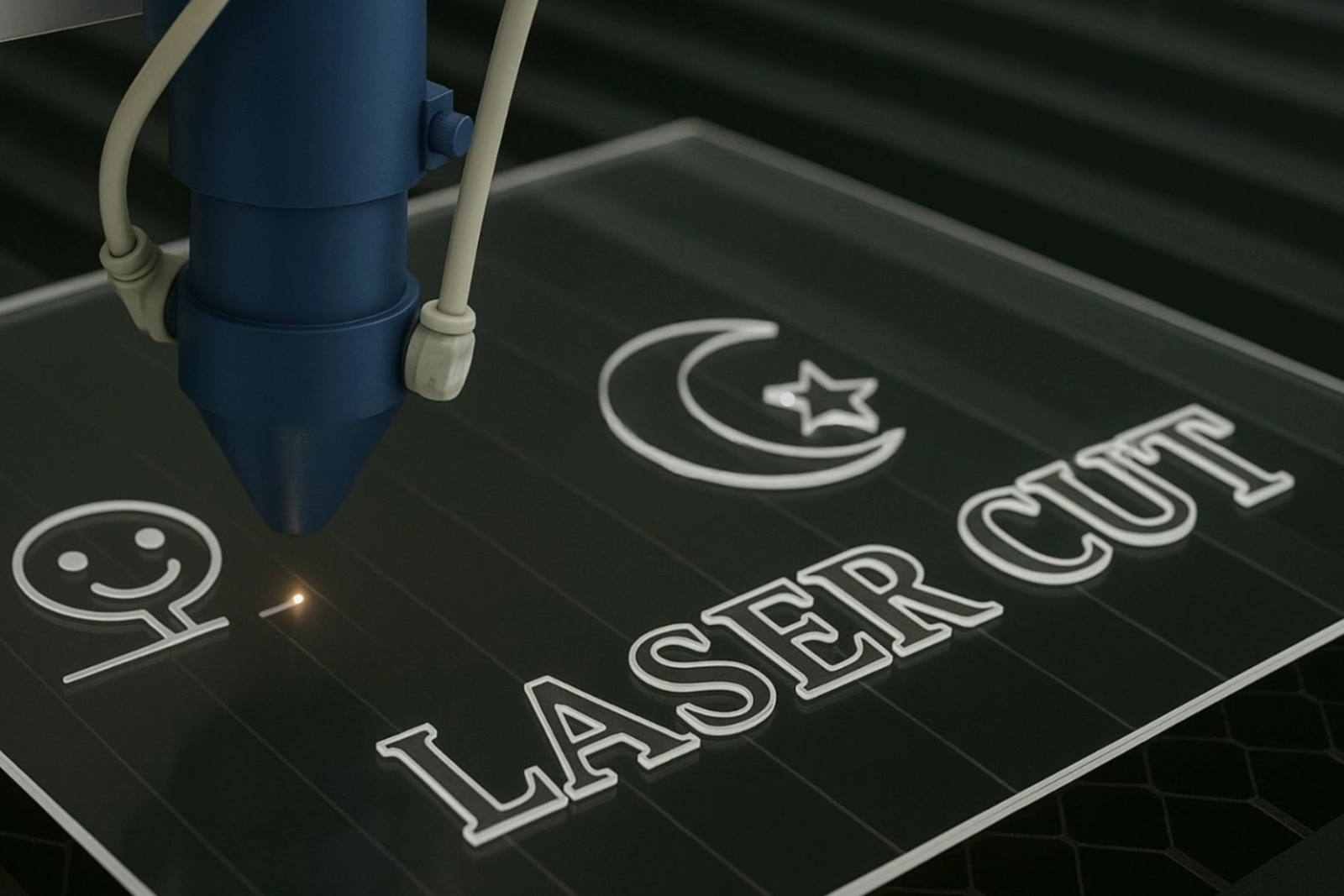
Stencil cutting uses a CNC-guided blade to remove material from a sheet along a precisely defined vector path, leaving open areas through which paint, ink, or other media can pass while the surrounding material masks the surface. The key distinctions from standard sticker cutting are that the interior cutouts are intended to be empty (the “positive” and “negative” spaces are reversed from a sticker application) and that the stencil is used as a marking template rather than adhered to the surface permanently.
The three materials we cut for stencil applications each have distinct characteristics:
Mylar (125-micron PET film) ”” The preferred material for reusable stencils. Polyester film at this thickness is dimensionally stable (it won’t stretch or distort when paint is applied), chemically resistant to most spray paints and cleaning solvents, and physically durable enough to withstand more than one hundred applications without tearing or losing its shape. The transparency of clear mylar allows it to be positioned accurately over guidelines or registration marks on the target surface ”” an advantage for applications that require precise placement. Mylar stencils clean easily with solvent on a cloth and can be reused indefinitely with proper care.
Cardstock ”” An economical option for single-use or low-frequency applications. Cardstock stencils are practical for short decorative projects, one-off event graphics, and applications where the stencil will be used a handful of times and discarded. They cannot be cleaned effectively with solvent and will absorb paint over time, causing edge bleeding in repeated use. We cut cardstock stencils from 200–300gsm board in clean, precise shapes that work well for their intended single-use purpose.
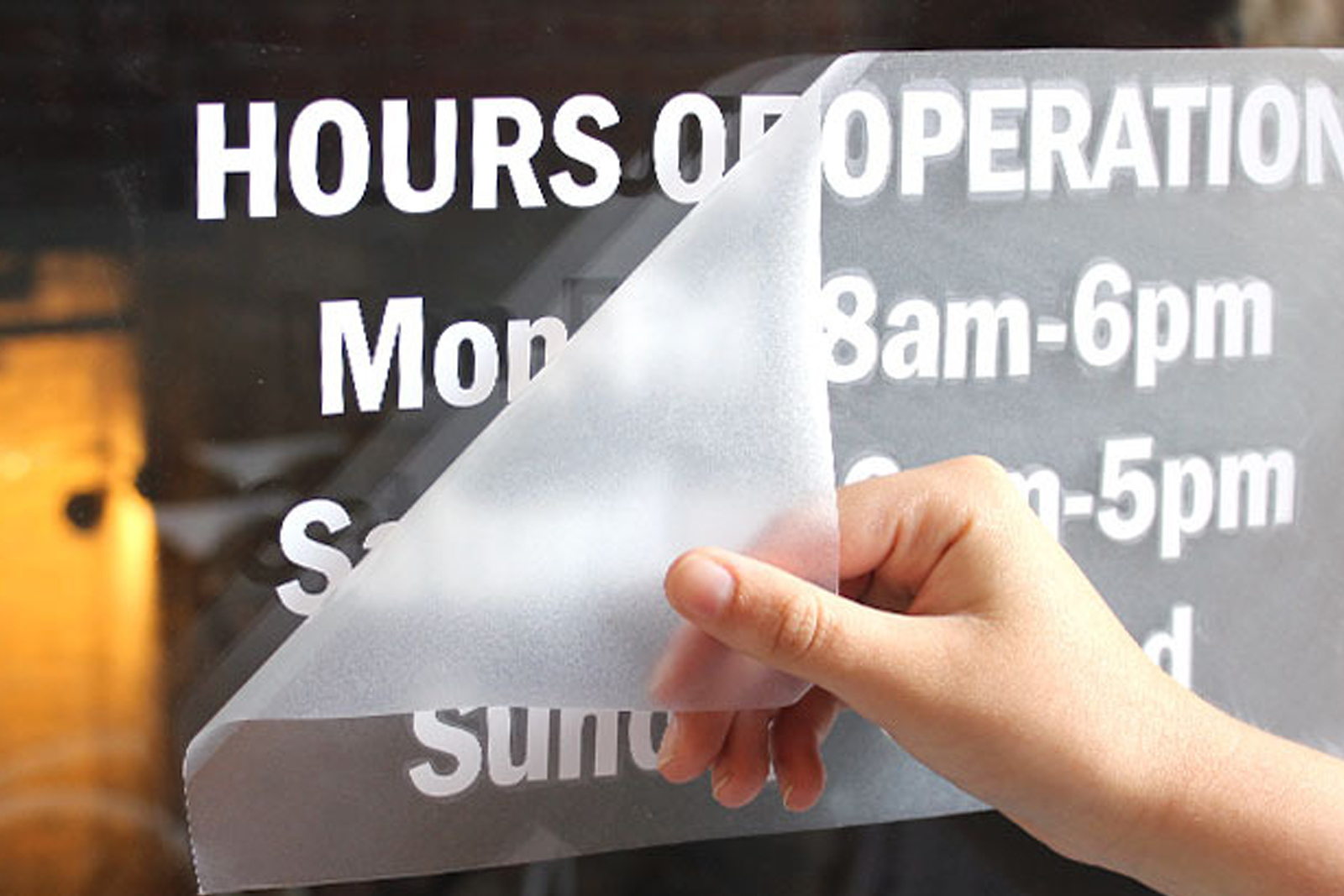
Self-adhesive vinyl ”” For applications requiring the stencil to be temporarily bonded to the surface during use, preventing paint from bleeding under the edge. Vinyl stencils are cut and applied like a conventional vinyl graphic, paint is applied to the open areas, and the vinyl is peeled off once the paint has dried. This method is used for floor markings, wall lettering, and equipment labelling where clean edges under pressure are essential and tape-masking around a rigid stencil would be impractical.
Our CNC cutter handles all three materials with a detail tolerance of 0.5mm, accommodating fine serif typefaces, detailed logo shapes, and intricate decorative patterns in stencil form. We cut from A4 up to A0 width (approximately 840mm), with longer lengths available for extended text or repeating pattern elements.
Key Benefits of Stencil Cutting
Repeatability Without Skill Dependency ”” A stencil eliminates the need for a skilled painter or sign writer to reproduce consistent letterforms or logo shapes. Any member of staff with a can of spray paint and basic instruction can produce results that are consistent with the previous application, the one before that, and the hundred that follow. This is the fundamental value of stencil-based marking in industrial and commercial settings.
Reusable Mylar for High-Volume Marking Tasks ”” For operations that require regular repetitive marking ”” a logistics company labelling freight containers, a resort marking equipment at multiple islands, a manufacturer applying batch numbers to product units ”” a mylar stencil represents a one-time production cost for a tool that remains usable for the duration of the marking programme. The economics of a stencil that lasts 100+ uses are fundamentally different from single-use masking approaches.
Precision Detail at 0.5mm Tolerance ”” CNC cutting holds detail that manual stencil cutting cannot. Fine strokes in a serif typeface, small icon elements in a logo, tight internal cutouts in a decorative pattern ”” all are reproduced consistently to 0.5mm tolerance regardless of how complex the shape. This matters for brand accuracy: a hand-cut stencil of your logo will look like an approximation; a CNC-cut stencil will look like your logo.
Fast Turnaround for Operational Needs ”” Simple stencil designs in standard materials are typically completed same-day or next-day. For businesses that need a marking solution urgently ”” a vessel about to depart that needs registration markings, a construction project that needs safety zone labelling by tomorrow morning ”” stencil cutting is among the fastest custom marking tools we can produce.
No Minimum Quantity ”” A single stencil is as practical to produce as a batch of fifty. There is no tooling cost, no minimum order, and no setup charge that makes small quantities uneconomical. One stencil for a one-off project is a legitimate and cost-effective order.
Suited to Surfaces Where Adhesive Materials Cannot Be Used ”” Some surfaces are incompatible with self-adhesive sticker films ”” very rough textures, porous concrete, fabric, or surfaces already coated with materials that prevent adhesion. A rigid stencil held against the surface by hand or tape allows marking on surfaces where applied vinyl would fail.
How Our Process Works
Consultation ”” We establish the material type (mylar for reusability, cardstock for single use, vinyl for bonded application), the text or graphic to be cut, the stencil size, and the intended paint or ink medium. For mylar stencils used with solvent spray paint, we confirm material compatibility. For stencils with small enclosed islands ”” the interior of letters like O, D, or B ”” we discuss bridging options that keep the interior pieces attached to the stencil sheet.
Design Review ”” We review your vector artwork or text specification for stencil suitability. Enclosed interior areas (counters) in letters and shapes require bridges ”” small connectors between the interior island and the surrounding material ”” unless the design is intentionally distressed. We flag these at the design review stage and confirm how you’d like them handled.
Proof Approval ”” For first-time stencil orders or complex designs, we produce a digital layout showing the cut result, including bridge placement, before cutting. For straightforward text-only stencils, we proceed directly to cutting after file confirmation, as these are well within standard parameters.
Production ”” The vector file is sent to our CNC cutter with material-specific blade settings for clean cuts without tearing or dragging. After cutting, mylar and cardstock stencils are checked for complete cuts and any small interior pieces that need to be removed. Vinyl stencils are weeded and supplied on application tape for easy positioning.
Delivery ”” Free delivery within Male for all stencil cutting orders. Mylar and cardstock stencils are rolled or flat-packed depending on size. Same-day or next-day production is available for simple designs. For outer island and resort clients, we package stencils flat or in cardboard rolls for safe transport.
Why Choose Perfect Digital Solutions
The quality of a stencil is determined by the cleanliness of its edges. A blade that is worn, a cutting speed that is too high for the material, or insufficient cutting pressure will produce edges that tear or fray ”” paint bleeds under the stencil and the result looks amateurish. We maintain cutting blades at appropriate intervals for each material type and use material-specific speed and pressure profiles that produce consistently clean edges.
We also understand the practical considerations that affect stencil design for real applications. Bridges in enclosed letterforms, stencil registration marks for multi-colour spray applications, grip areas at the edges of large stencils, and lamination of cardstock for slightly extended reusability in damp conditions ”” these are operational details that experienced stencil production requires attention to, and our team addresses them as a standard part of the process.
Our turnaround is among the fastest available in the Maldives for precision stencil cutting. For businesses working on tight operational schedules ”” a vessel crew that needs registration stencils before the morning tide, a construction site manager who needs floor safety markings done before workers arrive ”” the ability to have a stencil in hand the same day or next morning is a real operational benefit.
Frequently Asked Questions
What is the difference between a mylar stencil and a vinyl stencil?
Mylar (PET film) stencils are rigid, reusable, and chemically resistant to most paints and solvents. They are held against the surface during use and removed after each application. Vinyl stencils are self-adhesive ”” they bond to the target surface, paint is applied over the open areas, and the vinyl is peeled off once the paint has dried. Mylar is better for repeated use on multiple surfaces; vinyl is better for single applications requiring very clean edges without paint bleed, particularly on smooth surfaces.
How many times can a mylar stencil be used?
A well-maintained 125-micron mylar stencil can typically withstand more than 100 uses. The actual lifespan depends on the paint medium (water-based paints are gentler than solvent-based), how the stencil is cleaned between uses, and whether it is stored flat to prevent creasing. Mylar stencils that are cleaned with an appropriate solvent after each use and stored correctly can last significantly longer for lower-frequency applications.
What is a stencil bridge, and do I need one?
A bridge is a narrow strip of the stencil material left in place to connect the interior island of an enclosed letter shape ”” the dot inside an O, or the triangle inside an A ”” to the surrounding stencil sheet, preventing it from falling out and being lost. Without bridges, enclosed counters cannot be supported. Most stencil work requires bridging on at least some letterforms. We design bridges to be as narrow as practicable (typically 1–2mm) so they leave minimal marks in the spray-painted result.
Can you cut stencils for multi-colour spray paint applications?
Yes. Multi-colour stencil work requires a separate stencil layer for each colour, with registration marks cut into each layer to allow precise alignment when applying each colour in sequence. We design and cut registration-marked multi-layer stencil sets as a complete package. Discuss the number of colours and the registration requirements at the consultation stage.
What sizes of stencils can you produce?
We cut stencils from A4 (210mm × 297mm) up to A0 width (approximately 840mm wide, with length as required). For larger stencils, we produce interlocking sections designed to butt-join seamlessly during use. The maximum practical single-sheet size for mylar is approximately A0 for handling convenience; beyond that, interlocking sections are the standard approach.
Can you cut stencils for floor markings?
Yes. Floor marking stencils are typically cut from mylar for reuse across a facility, or from adhesive vinyl for single-application floor graphics. For floor safety markings such as directional arrows, hazard zone boundaries, and designated area labels, we can produce standard symbol shapes or custom text layouts. If the floor marking will be applied with a line marking machine rather than hand-held spray, let us know the equipment width constraints when you enquire.
Is same-day production available for urgent requirements?
Yes, for simple designs. Text-only stencils and straightforward logo shapes in standard sizes are typically cut within two to four hours of file confirmation during normal working hours. Complex designs with many fine details or very large formats may require same-day or next-day depending on current workload. Contact us as early as possible if you have a same-day requirement and we’ll confirm availability when we receive your file.
Get Started with Stencil Cutting Today
If you need a marking tool that delivers consistent results across multiple applications without ongoing costs, a precision CNC-cut stencil is the right solution. Send us your design or text and we’ll have a quote back to you quickly.
- Call or WhatsApp us with your design, material choice, and deadline
- Email your vector file or text specification for a fast quote and file check
- Visit our studio in Male to see mylar and cardstock samples before ordering
Get in Touch → | View All Services →
Related Services: CNC Plotting, Sticker Plotting, Vinyl Sticker Printing